
 Your location:Home → instrumentation and meters → Level instrument → level meter → GDL Horn shaped radar level gauge
 |
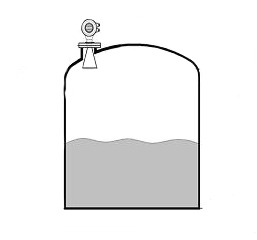
Product name: | GDL Horn shaped radar level gauge | |||||
| specification: |   Zoom in on the image Zoom in on the image |
||||||
| Category: | instrumentation and meters -- level meter | ||||||
| |
Price: | factory price | |||||
| Brand: | Shanghai | ||||||
| Place of Origin: | China | ||||||
| |
Available Quantity: | batch | |||||
| delivery cycle: | Spot goods (or inquire by telephone) | ||||||
 |
|
||||||


 Electrical instruments Digital Display Instrument Temperature Instrument Humidity meter Pressure gauge flow meter analytical instrument Level instrument
  float ball Collimator Inclinometer Length measuring instrument linear scale level meter
  level gauge Hall switch Magnetic switch photoelectric switch proximity switch level switch Level switch Level transmitter Level controller level sensor Level transmitter level controller angle sensor displacement sensor Displacement transmitter vibration sensor tachometer Recording instrument weighing instrument Specialized instruments
 Home|Quality Commitment|Ordering|Payment method|product delivery|support|Disclaimer|Contact Us
Copyright®2011 www.91way.com Copyright.
Phone:+86-21-66770508 +86-13916500500 Fax:+86-21-66108310
Email:91way@163.com Wechat:40606422
沪ICP备2021005791号  沪公网安备31010702003255号


